


Planting and moving
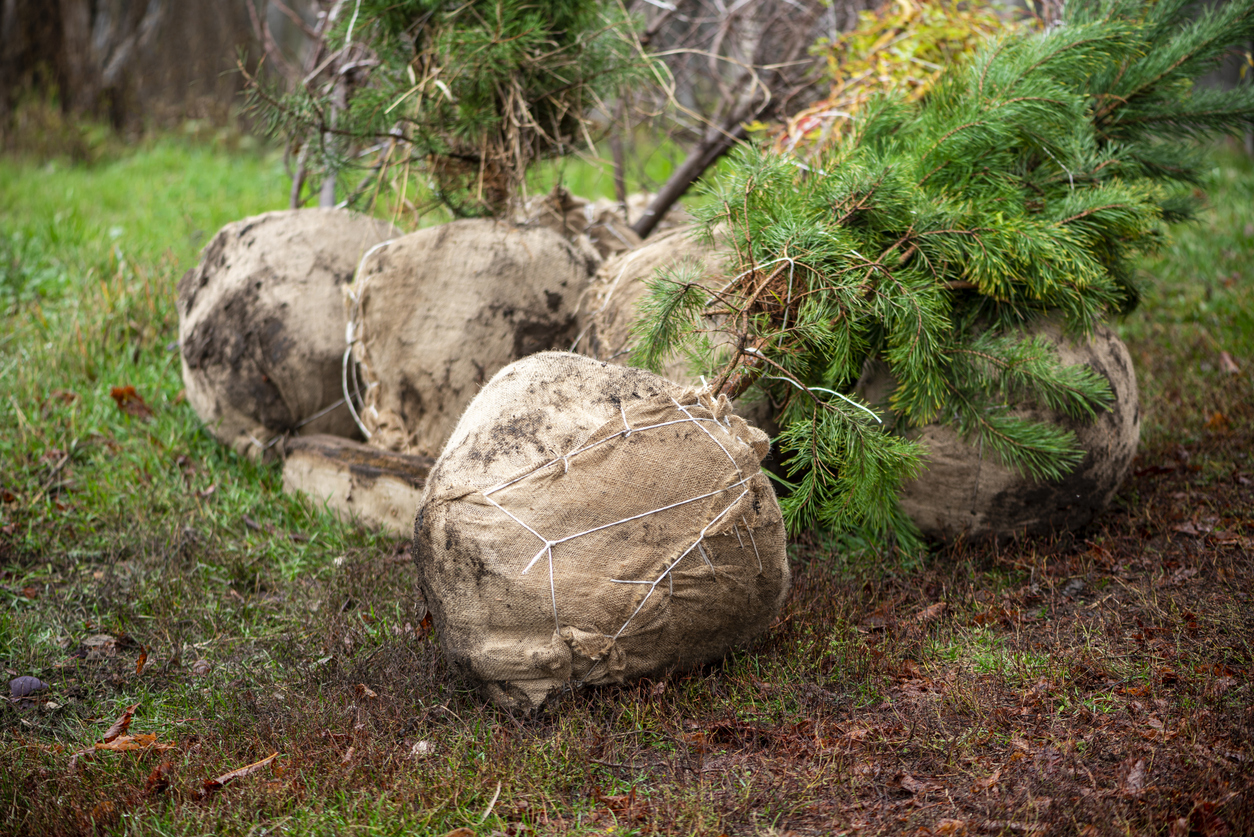
Tree Care in Autumn – as we head into the The month of October it is an ideal time for moving trees, shrubs, and climbers, as well as planting hedges.
You can get bare-root deciduous trees and shrubs, as well as root-wrapped evergreens, towards the end of the month, so prepare the ground early. They’re cheaper than containerised plants, and they’re perfect for when you need a lot of them – like for a hedge, a woodland or a rose bed.
You can still order containerised trees and shrubs, as well as large semi-mature specimens, for planting over the winter.
Pruning Your Trees
In autumn, leaves fall from the trees. This makes it easier for arborists to reach branches. Also, problem branches are easily identified and removed or trimmed.
As most trees are dormant during winter, crown reductions or trimming will not stress them. Ensure that your tree is safe during the storm by removing any overhanging branches.
Hiring a tree care company in the autumn will help you get your trees ready for spring. This will allow you to focus on other garden jobs like lawn care, planting bulbs or maintaining your fence.

Make sure you are disease-free
During autumn and winter, trees can still be infected, even when dormant. It is imperative to watch out for tree diseases in the coming months. This is even though they generally act considerably slower in autumn and winter than in summer.
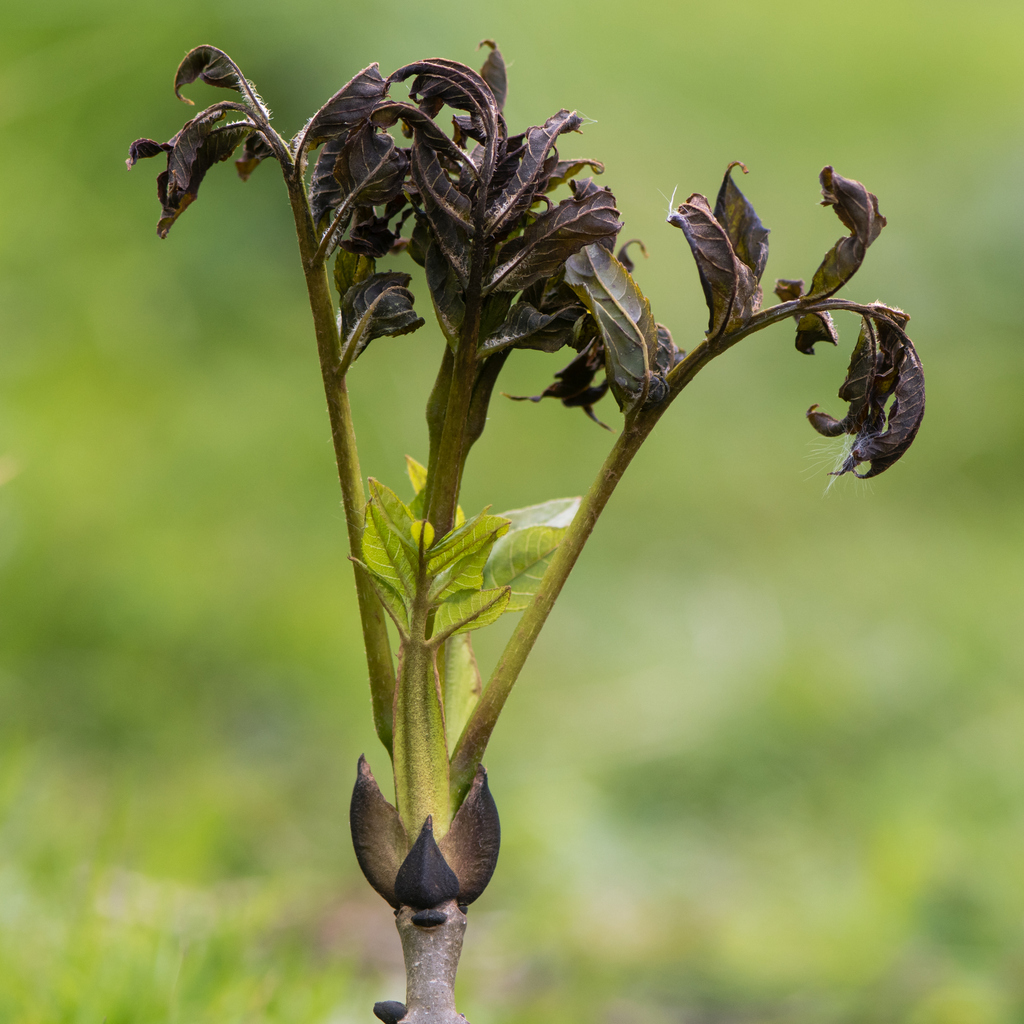
It is important to spot these diseases during the colder seasons, with ash dieback and Dutch elm disease being the two main problems.
Whilst some ash dieback signs are easier to spot in the summer (such as leaves developing dark patches and shoot dieback) there are other signs you can still look out for. These include lesions developing where the branch meets the trunk, and epicormic growth due to tree stress.
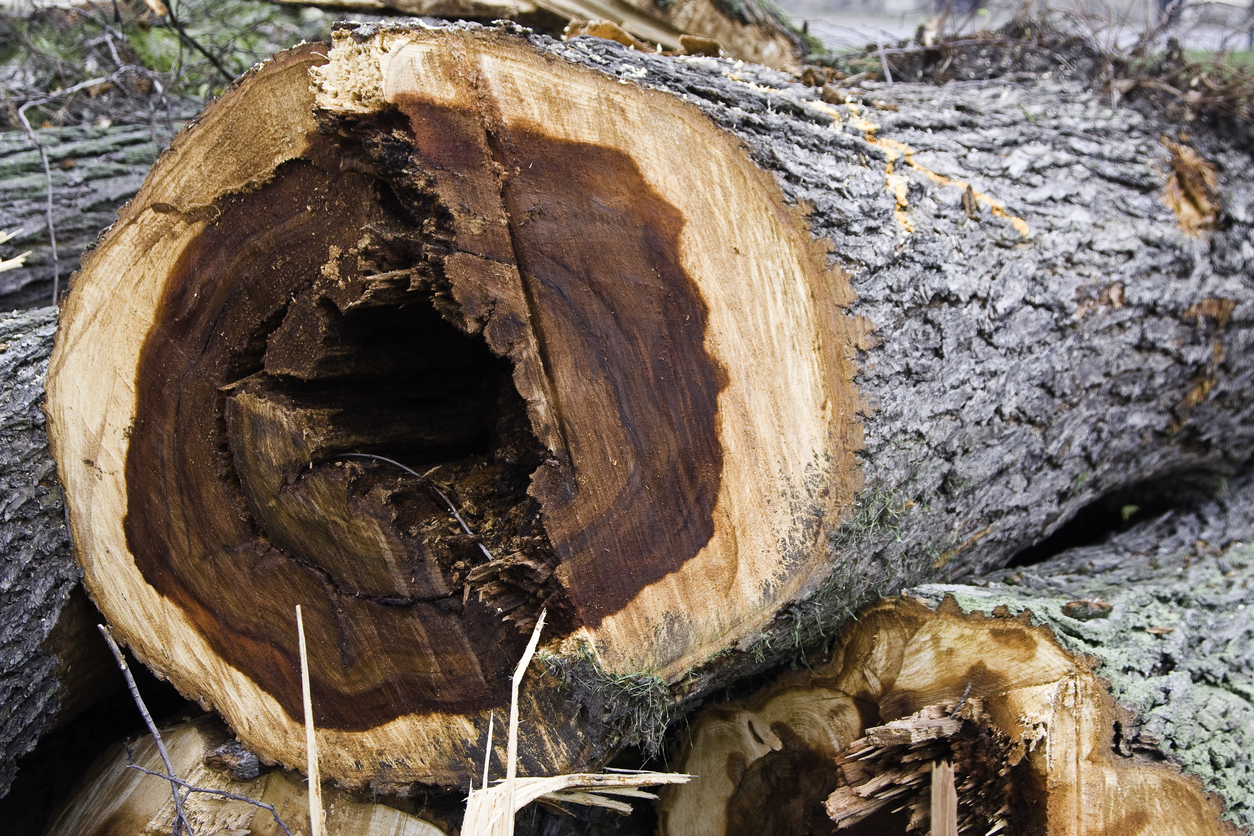
To check for Dutch elm disease the elm tree should have its bark checked beneath the bark. A healthy elm tree has cream-colored wood, but a diseased tree has dark brown or red streaks. We can perform a tree survey to determine your trees’ health, including disease identification.
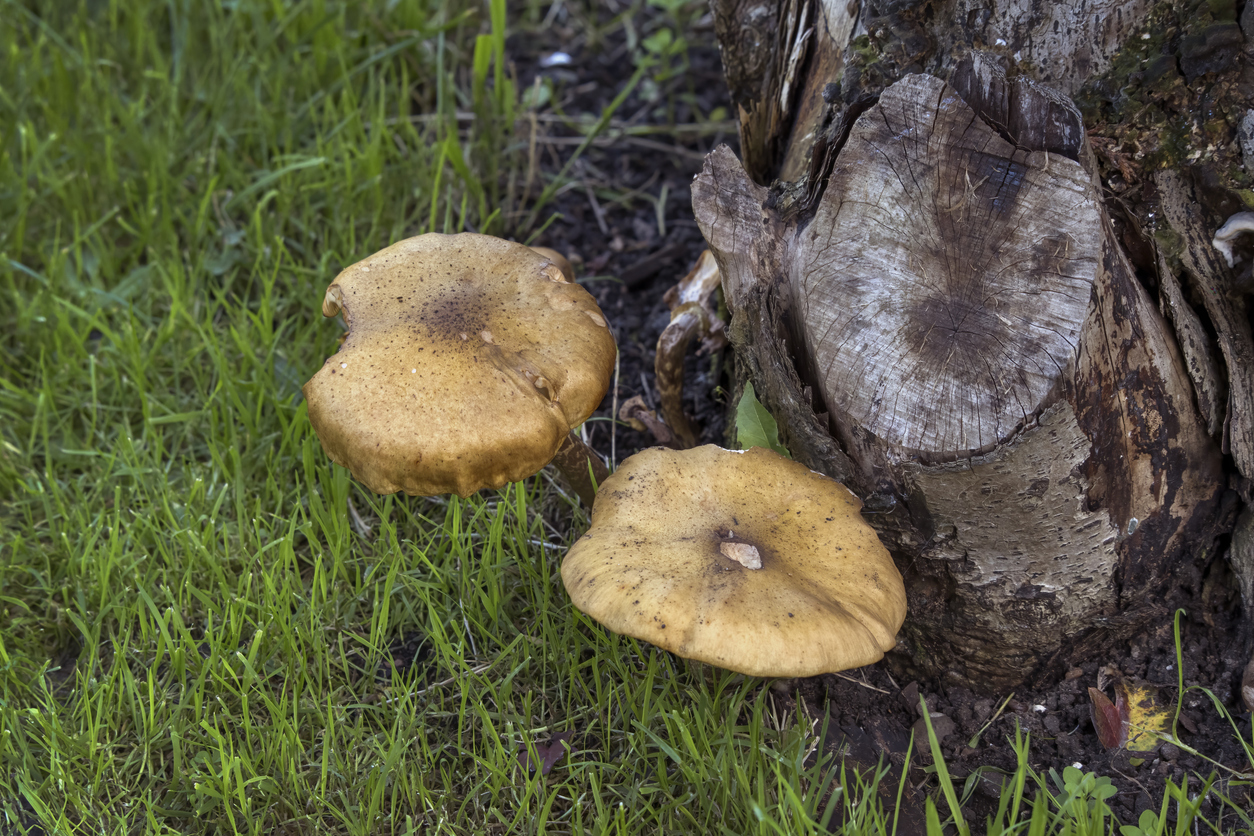
Late September and early October are prime time for honey fungus toadstools to appear. Also around this time of year, there’s a bunch of harmless, saprophytic fungi that live purely on dead stuff.
Good garden hygiene!
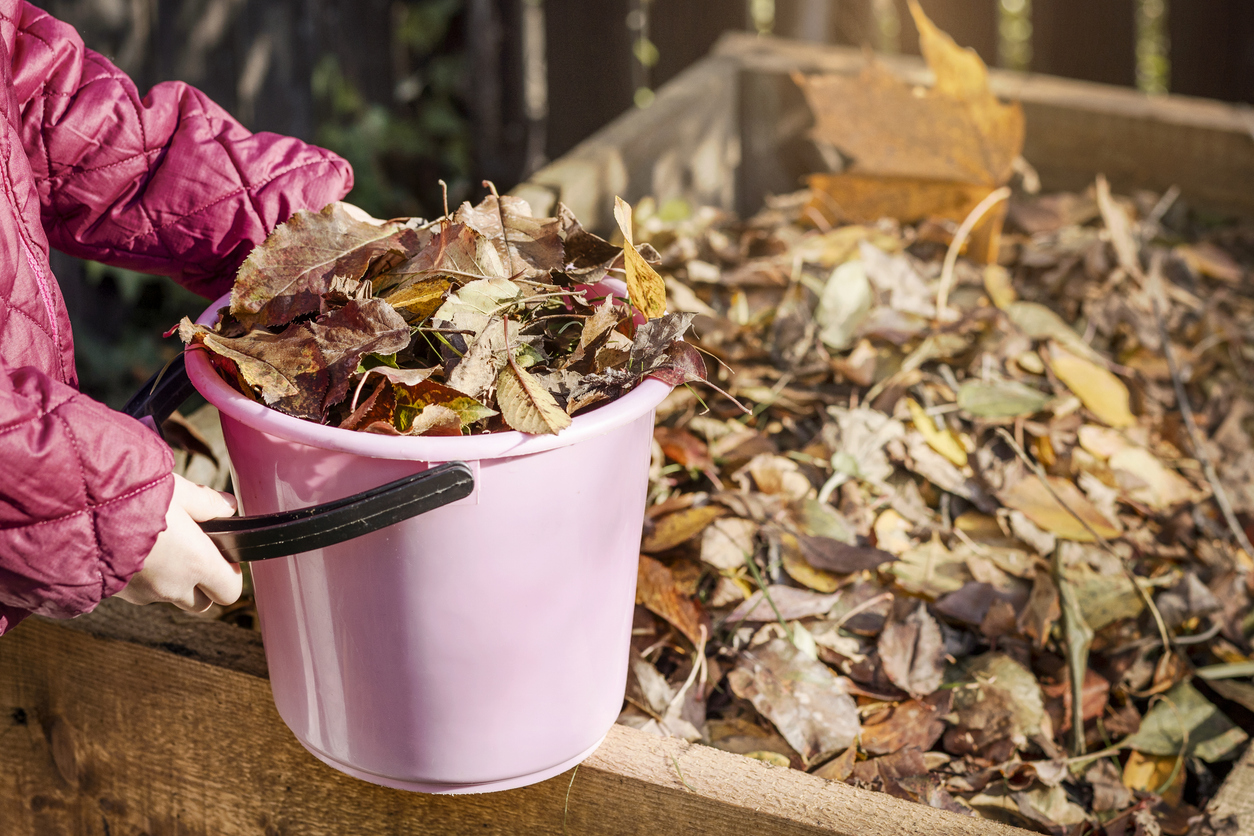
Place healthy fallen leaves in a compost heap or in a separate pen so they’ll rot down into leaf mould. It’s easier to break down leaves if you shred them first.
It’s important to keep your garden clean to prevent pests and diseases from spreading.
Don’t compost affected leaves. Rake them up and destroy them. All kinds of diseases can be partially controlled this way, like black spot-on roses, leaf blight on quince, and scab on apples and pears.
Get rid of problem tree stumps
Because it’s mostly empty in winter, it’s the right time to tackle those big gardening projects. It’s time to remove those unsightly tree stumps. If you fell a tree that needed felling, you’ll probably have a horrible stump.
The stumps take up space in your garden that could be used for planting or recreation. In addition to being an eyesore, it can be a safety hazard. It’s easy to grind stumps. With our stump grinding machines, we can break up and turn your stump into wood chips, leaving you with a flat, safe garden.

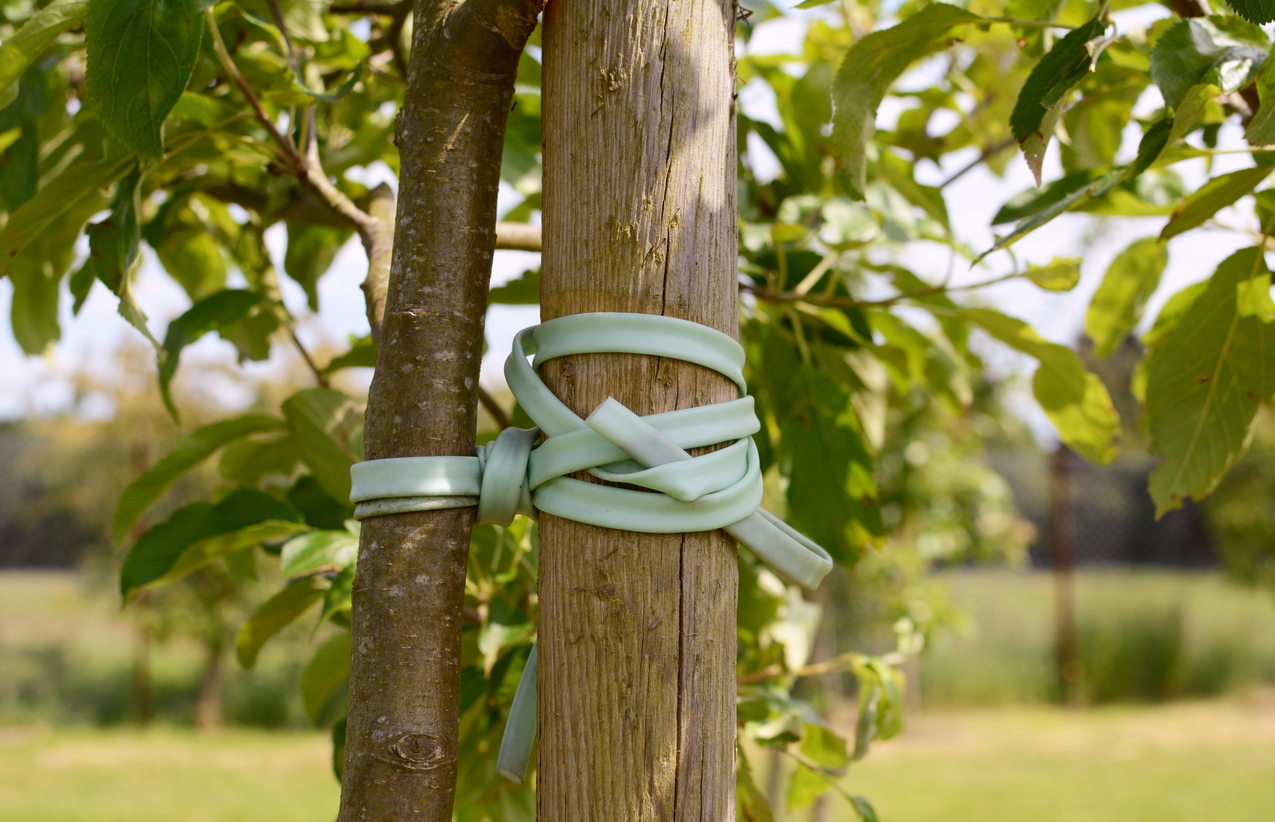
Finally make sure you check your tree ties and stakes before winter gales hit.
Find out how much winter tree care costs by requesting a quote
