


What is OPM in Oak Trees? OPM is a pest. It starts as a caterpillar and develops into a moth. Oak trees in England are at risk. A tree stripped of leaves will be vulnerable to disease and pests.
OPM is a native species of southern Europe. Trees brought to England for planting contained eggs of OPM in their canopy.
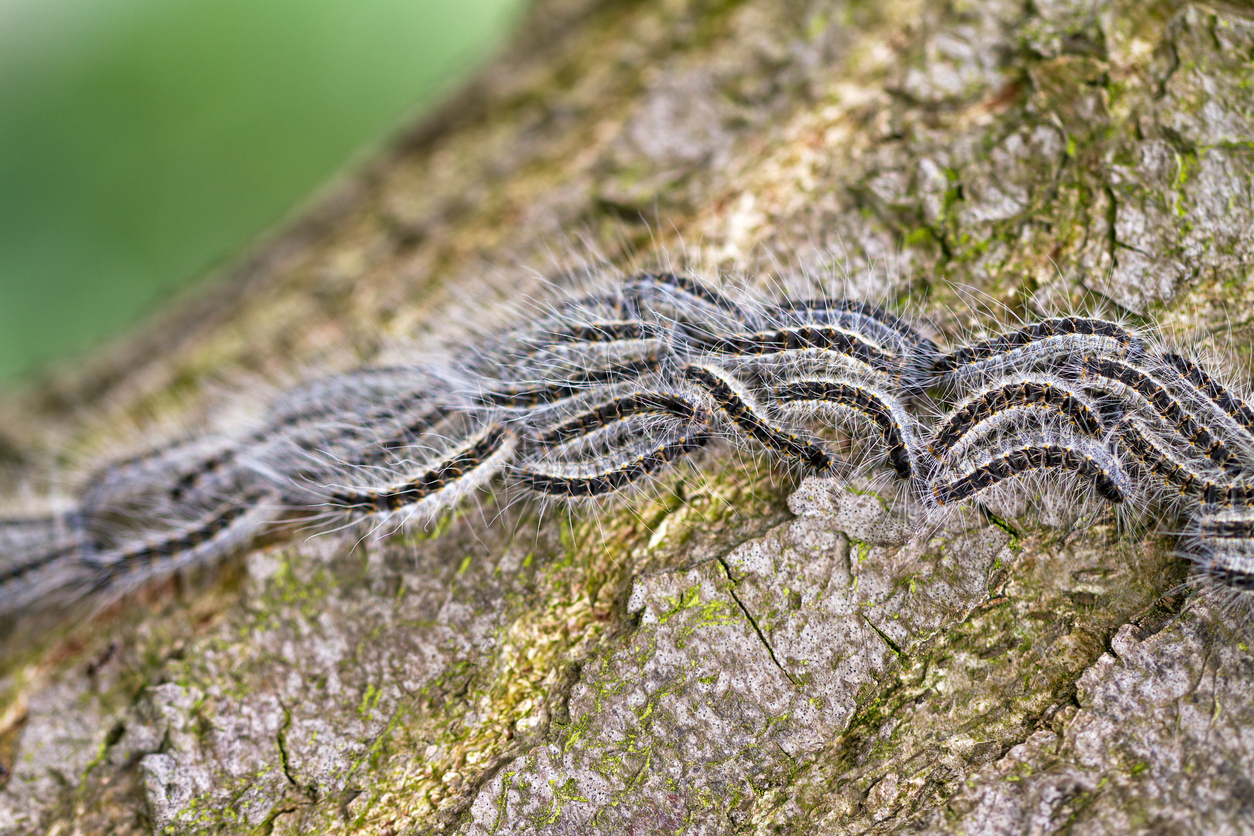
The moth overwinters its eggs in the oak trees and these hatch between March and late April. The caterpillars are difficult to spot as they initially feed high up in oak trees. However, from late spring to early summer they become more active around the tree and on the ground, becoming larger and easier to spot (20-25 mm).
To identify the caterpillars you will note that they are dark and have urticating hair. Wind can blow caterpillar hairs around, causing skin rashes and eye and breathing problems for those who come in contact with them. If you come into contact get medical help. For less severe reactions contact a pharmacist for relief from skin and eye irritations.
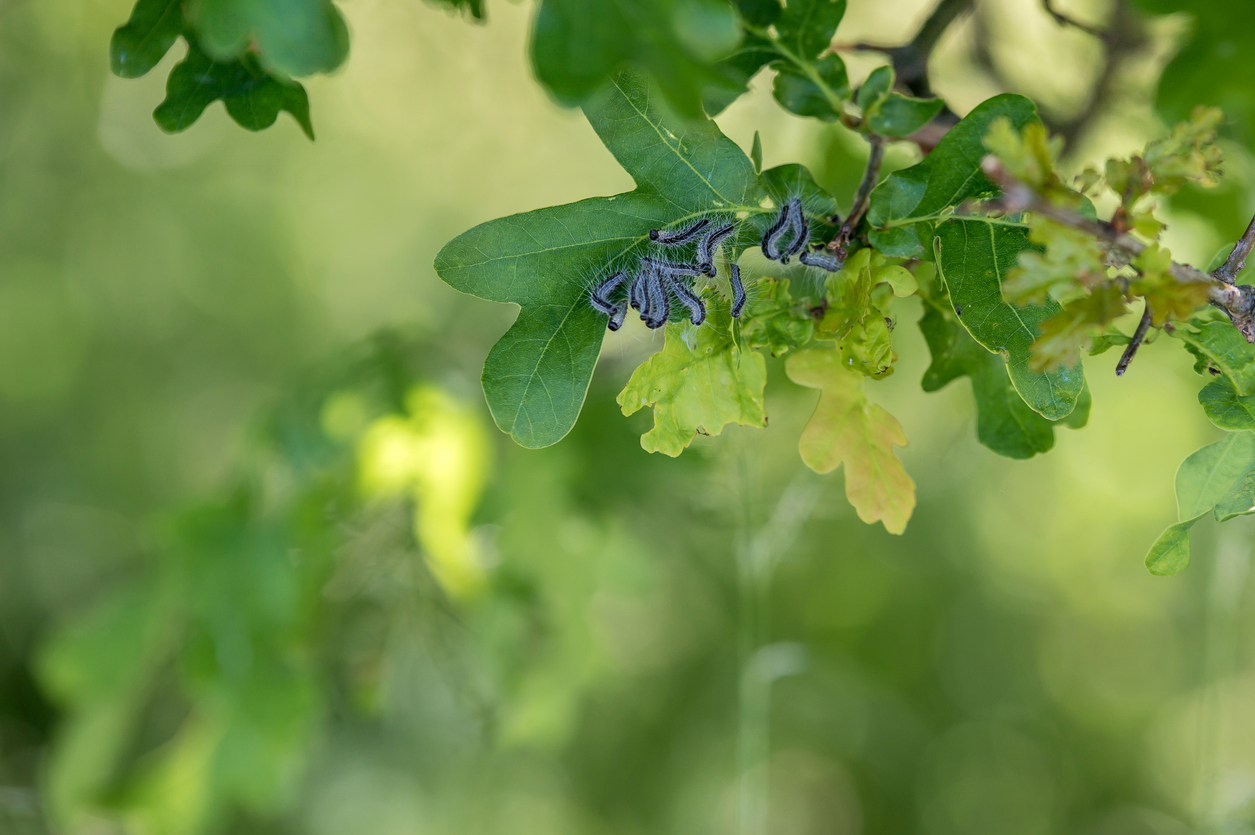
Without intervention, OPM will spread across Britain. OPM infestation has profound impacts on the ecosystem. By eating oak leaves, caterpillars disrupt the ecosystem’s natural balance. As a result, other species that rely on oak trees for food and habitat may decline.
Early detection and monitoring, are crucial for the control of OPM. Targeted tree removal, and biological controls like parasitic wasps that prey on OPM larvae and eggs, are effective strategies that must be implemented. Public awareness campaigns and education about OPM are crucial.
Failure to report OPM sightings can delay infestation response. Allowing it to spread further and damage oak trees and the ecosystem. This can lead to an increased decline in other species populations, economic losses for industries reliant on oak trees. Reporting sightings promptly is crucial to minimizing OPM impact and protecting the environment.
OPM spread can have severe economic implications for the local economy. As oak trees are a vital resource for various industries, such as timber production, tourism, and recreation, the decline in oak tree population due to OPM infestation can disrupt these sectors. It can lead to job losses, reduced revenue, and a negative impact on the economic growth of a region. Additionally, the costs associated with controlling and mitigating OPM effects, such as tree removal and treatment, can place a significant financial burden on local authorities and landowners.
Our treasured oak trees are at risk, and people could be discouraged from visiting or working in the woodlands.

Have a look on the Forestry Commission map for current monitoring and spread of OPM in the southeastern counties
If you own or manage oak trees you can help by reporting any sightings of OPM on the government website Managing oak processionary moth in England
Call Andrew for help and information if you suspect your Oak tree has OPM we are familiar with the measures required to manage the accidental spread of the pest in the oak material removed and have all the necessary PPE to carry out the work safely.
